Moving from Khanmigo to Microsoft Copilot: Your Practical Checklist
This checklist guides you through migrating from Khanmigo to Microsoft Copilot, ensuring smooth integration and enhanced productivity.

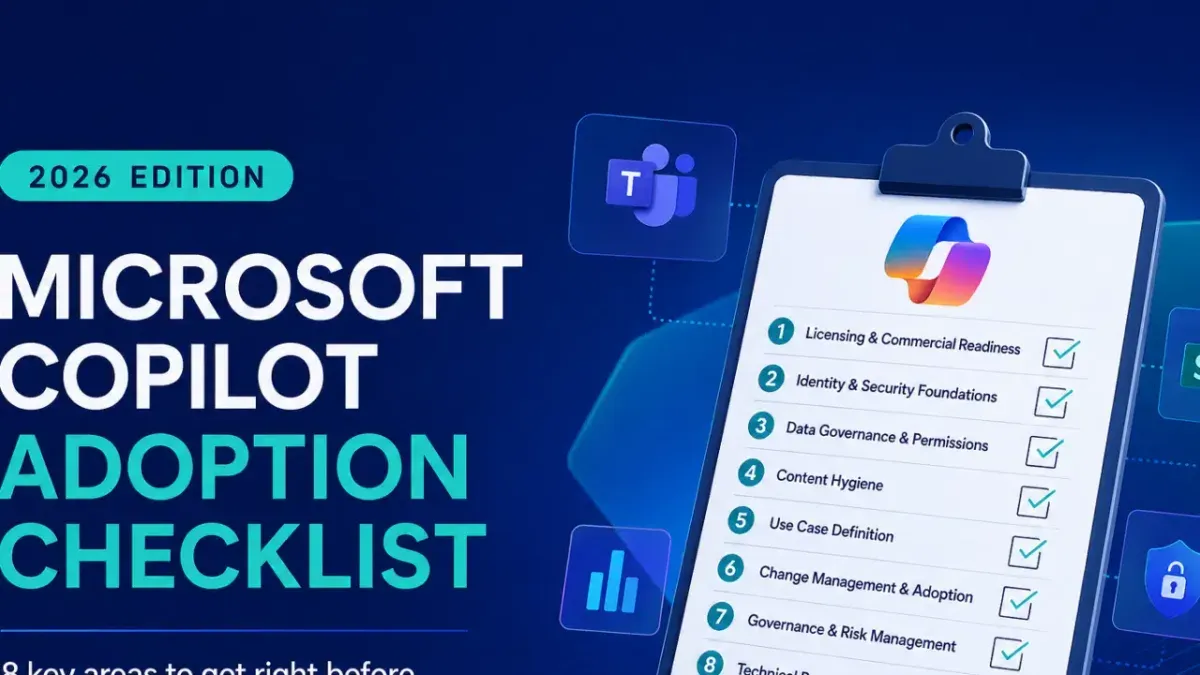
Short answer: Moving from Khanmigo to Microsoft Copilot requires understanding the shift from an education-focused AI to a productivity-centric assistant, adjusting workflows, and ensuring seamless integration with Microsoft 365 tools. This moving from Khanmigo to Microsoft Copilot checklist will guide you through preparing your team, migrating data and settings, and avoiding common pitfalls for a smooth transition.
This article covers the key differences between Khanmigo and Microsoft Copilot, how Copilot’s AI integrates with apps like Word, Excel, and Teams, and how to ready your environment and users for the switch. You’ll get clear, step-by-step migration actions and strategies to prevent disruption. Finally, it explains how to leverage Microsoft Copilot’s features to boost productivity once the move is complete.
What Are Khanmigo and Microsoft Copilot, and Why Switch?
Khanmigo is an AI-powered tutor designed specifically for educational settings. It assists students by answering questions, guiding problem-solving, and supporting personalized learning paths within the Khan Academy ecosystem. It excels at adapting to curriculum needs and fostering understanding in subjects like math and science.
Microsoft Copilot, by contrast, is embedded within Microsoft 365 apps such as Word, Excel, PowerPoint, and Outlook. It enhances productivity by automating tasks, generating content, summarizing information, and integrating seamlessly into daily workflows across teams and departments. Its focus is on streamlining business processes rather than tutoring.
| Feature | Khanmigo | Microsoft Copilot |
|---|---|---|
| Primary Use | Educational tutoring and personalized student support | Productivity enhancements within Microsoft 365 applications |
| Integration | Khan Academy platform and learning management | Microsoft Office suite and enterprise services |
| User Base | Students and educators | Business professionals, teams, and IT environments |
| Capabilities | Subject-specific explanations, question answering | Document drafting, data analysis, meeting summarization |
Consider a school IT team managing digital tools. With Khanmigo, they support student learning directly. Switching to Microsoft Copilot enables those same teams to integrate AI assistance into administrative tasks like report generation, email management, and collaboration across departments. The move often reflects a strategic shift toward aligning AI tools with broader organizational workflows, enterprise security standards, and expanded productivity needs beyond classroom instruction.
How Does Microsoft Copilot Work Compared to Khanmigo?
Microsoft Copilot is embedded directly within Microsoft 365 apps like Word, Excel, and Teams, providing AI-powered assistance that automates tasks within these familiar environments. Instead of a conversational tutor interface like Khanmigo, Copilot acts as an integral productivity tool, generating content, summarizing meetings, or analyzing data based on commands given through the app’s interface or natural language prompts.
For example, in Word, you can ask Copilot to draft a project proposal from bullet points, while Khanmigo would guide you through learning concepts with interactive dialogue. Copilot’s output appears inline, ready for immediate editing, whereas Khanmigo’s responses come as chat messages focused on explanation and tutoring.
Data handling differs as well. Microsoft Copilot processes data within your organization's Microsoft 365 environment, adhering to enterprise-grade security and compliance standards configured via Azure Active Directory. Khanmigo’s data is managed under Khan Academy’s privacy policies, designed for educational settings, which may limit integration with enterprise systems.
Preparing for this transition means expecting a shift from an AI that teaches through conversation to one that enhances productivity through context-aware automation embedded in your existing tools.
| Feature | Khanmigo | Microsoft Copilot |
|---|---|---|
| AI Interaction Style | Conversational tutoring with guided dialogue | Task automation within apps via prompts and commands |
| Integration | Standalone platform focused on education | Built into Microsoft 365 apps like Word, Excel, Teams |
| Data Handling & Security | Educational privacy policies, limited enterprise integration | Enterprise security via Azure AD and Microsoft compliance |
| Example Task | Explaining a math concept interactively | Generating a financial summary in Excel |
How to Prepare Your Team and Environment for the Move
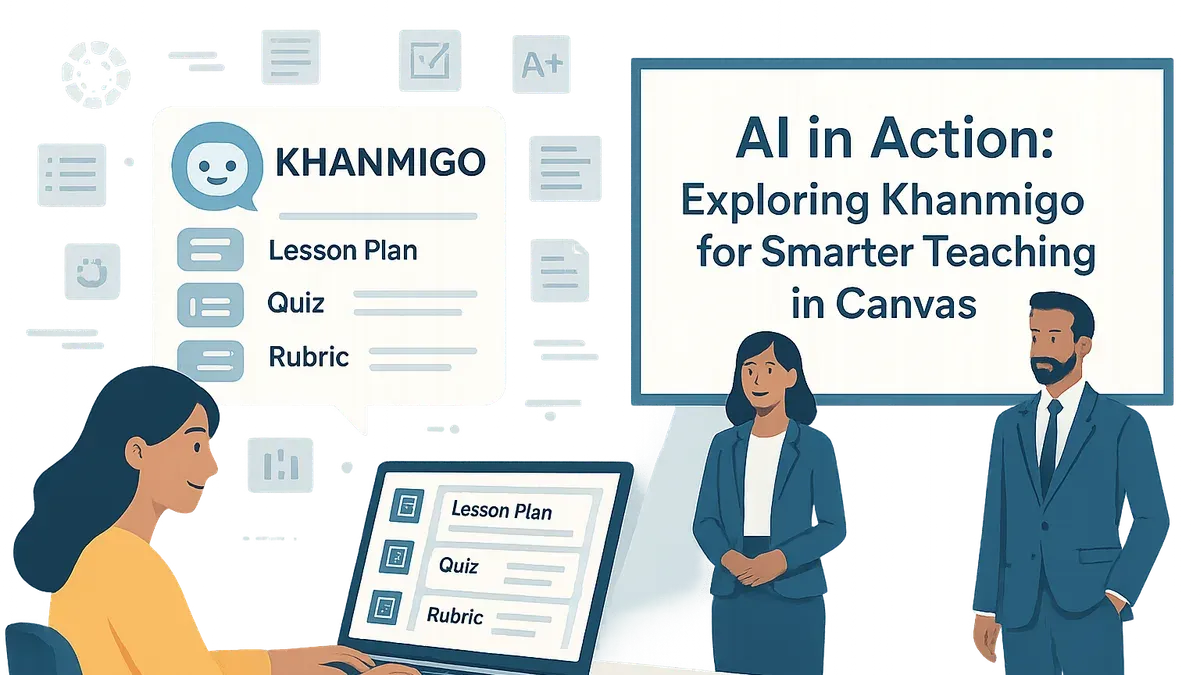
Begin by assessing how your team currently uses Khanmigo. Identify the key workflows dependent on Khanmigo’s tutoring features, such as lesson planning or student interaction, and note how integral these are to daily operations. For example, a high school IT lead might find that teachers use Khanmigo daily for personalized student support, meaning disruption would significantly impact lesson delivery.
Next, take inventory of your Microsoft 365 licenses. Verify which users have or need Microsoft Copilot access, as it requires specific license types like Microsoft 365 E5 or add-ons. Confirm your admin portal settings under "Users > Active users" to ensure licenses align with user roles and migration plans.
Finally, communicate a clear change management plan. Outline the timeline, training sessions, and support resources. Schedule hands-on training focused on Microsoft Copilot’s productivity tools, emphasizing differences from Khanmigo to reduce resistance and confusion.
- Map current Khanmigo-dependent workflows and document critical usage points
- Check Microsoft 365 admin portal for license types and Copilot eligibility
- Create and share a detailed migration timeline with training dates
- Prepare training materials highlighting Copilot features and differences
- Set up support channels for user questions during transition
What Are the Step-by-Step Migration Actions?
Start by exporting or archiving Khanmigo conversation logs and learning data if retention is required. Navigate to Khanmigo’s admin panel, select the "Data Export" option under settings, and download your records in CSV or JSON format. This preserves critical insights before decommissioning Khanmigo access.
Next, set up Microsoft Copilot accounts and permissions. In Microsoft 365 Admin Center, assign Copilot licenses to relevant users, and configure role-based access via Azure Active Directory groups. Ensure compliance settings and data privacy policies align with your organization’s standards.
Train your team on Copilot’s capabilities and operational differences. Schedule hands-on sessions focusing on embedding AI into Word, Excel, and Teams workflows, such as drafting documents and summarizing meetings. Provide quick-reference guides highlighting key feature contrasts with Khanmigo.
Finally, integrate Microsoft Copilot into daily workflows by customizing app settings. For example, enable Copilot suggestions in Outlook for email drafting and in Teams for real-time meeting insights. Monitor adoption during the first weeks and gather feedback to adjust permissions or training as needed.
- Export Khanmigo data via admin panel's "Data Export"
- Assign Microsoft Copilot licenses in Microsoft 365 Admin Center
- Configure permissions using Azure Active Directory
- Conduct targeted Copilot training sessions
- Enable Copilot features in key apps like Word, Excel, Outlook, and Teams
- Collect user feedback to refine settings and support
What Common Mistakes Should You Avoid During the Switch?
Underestimating the training your team needs can lead to poor adoption and frustration. For example, a school district that rolled out Microsoft Copilot without hands-on workshops found many staff defaulting back to manual processes, slowing down productivity for weeks. Allocate time for live sessions and follow-up Q&A to ensure confidence.
Don’t overlook integration compatibility. Microsoft Copilot relies heavily on Microsoft 365 configurations like Azure Active Directory and SharePoint settings. One IT team ignored this and faced broken workflows because Copilot couldn’t access shared drives or authenticate users properly. Verify permissions and test integrations in advance.
Ignoring data retention policies during migration from Khanmigo can cause data loss or compliance issues. A team once exported Khanmigo logs without checking retention rules and lost critical tutoring session records because they were deleted automatically after 30 days. Review your organization’s data policies and export everything needed before switching.
- Plan and execute comprehensive Copilot training sessions.
- Audit Microsoft 365 permissions and test Copilot access before full rollout.
- Confirm data retention policies and securely export Khanmigo data in time.
How Can You Maximize Productivity Post-Migration?
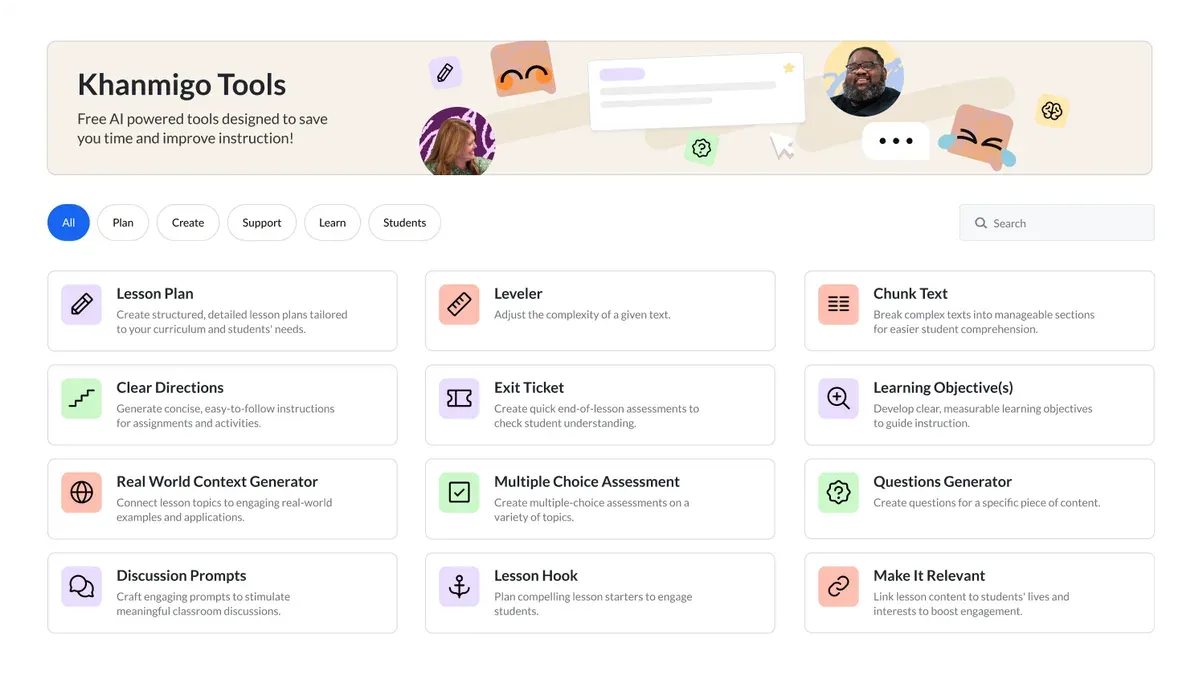
Customize Copilot prompts to fit your team’s workflows by using the Microsoft 365 admin center to set organization-wide prompt templates. Tailor these prompts for specific tasks like report generation, email drafting, or meeting summaries. This targeted approach reduces irrelevant suggestions and speeds up task completion.
Leverage automation features within Copilot by integrating it with Power Automate to handle repetitive tasks such as data entry, document formatting, and routine analysis. For example, automating monthly report drafts has helped teams cut creation time roughly in half compared to manual methods.
Establish regular feedback loops through Microsoft Teams channels or Forms to collect user input on AI suggestions. Use this data to refine prompt configurations and training sessions, ensuring Copilot evolves with your team’s needs. One education team reported a noticeable improvement in AI relevance after a few feedback cycles, boosting adoption rates.
Picture a team switching from manual email summaries to Copilot-generated drafts customized for their style and content. They save hours weekly, reduce errors, and free time for strategic work. This practical focus justifies the transition and sustains productivity gains.
Frequently asked questions
Can I transfer Khanmigo data directly into Microsoft Copilot?
No, there is no direct data transfer or migration path from Khanmigo to Microsoft Copilot. Khanmigo’s data and interactions are proprietary to its platform and designed for educational contexts, while Copilot integrates with Microsoft 365 environments. You will need to manually export any necessary data from Khanmigo and import or recreate it within Microsoft 365 tools, respecting format compatibility.
What Microsoft 365 plans include access to Copilot?
Microsoft Copilot is available with select Microsoft 365 business and enterprise subscriptions that include Office apps and cloud services. Access typically requires Microsoft 365 E3 or E5 plans or equivalent, but availability can vary by region and organization size. Confirm with your Microsoft account representative or portal under your subscription details to verify eligibility.
How long does it typically take for users to adapt to Microsoft Copilot?
User adaptation varies but generally ranges from a few days to several weeks depending on prior AI experience and usage frequency. Teams familiar with Microsoft 365 apps will adjust faster, while those new to AI-driven productivity tools may need additional training. Structured onboarding and hands-on practice accelerate comfort and proficiency.
Are there specific security concerns when switching from Khanmigo to Copilot?
Yes. Microsoft Copilot operates within the Microsoft 365 compliance and security framework, which includes data encryption, access controls, and compliance certifications. However, you must review your organization's data governance policies to ensure sensitive educational data aligns with Microsoft’s data handling. Transitioning from Khanmigo might require updating permissions and monitoring integrations to maintain security standards.
What this guide does not cover
This guide does not cover switching from Khanmigo for purely educational tutoring needs where Microsoft Copilot’s productivity focus may not be suitable. If your primary requirement is personalized student tutoring with Khanmigo’s specialized educational AI, consider retaining Khanmigo or exploring dedicated tutoring platforms instead. This checklist focuses on team and organizational productivity transitions rather than individualized learning support.
Quick checklist
- Confirm Microsoft 365 licensing supports Copilot features for your users.
- Inventory existing Khanmigo integrations and identify overlapping workflows.
- Communicate upcoming changes and provide training on Copilot’s Microsoft 365 apps.
- Backup any critical data or custom prompts from Khanmigo before disabling access.
- Set up Microsoft Copilot in your tenant, enable permissions, and test with pilot users.
- Update team documentation and workflows to reflect Copilot’s capabilities and limits.
- Monitor user adoption and gather feedback early to adjust training and support.
Start by verifying that your Microsoft 365 environment is fully prepared to enable Copilot features, including admin consent and appropriate licenses. This step is often overlooked but is crucial for a smooth transition. Ensuring your team understands the fundamental shift from Khanmigo’s educational AI to Copilot’s productivity assistant will reduce friction and set realistic expectations for what the new tool can deliver.
See also: Moving from Khanmigo to Google Gemini: Your Essential Checklist · Your Checklist for Moving from Khanmigo to ChatGPT Without Losing Efficiency · How to Switch from Google Gemini to Microsoft Copilot Without Losing Momentum · Switching from ChatGPT to Microsoft Copilot: What You Need to Know