Khanmigo Rollout Plan for Non-Technical Staff: A Clear, Practical Guide
Learn a clear, practical Khanmigo rollout plan for non-technical staff to ensure confident, jargon-free adoption and smooth implementation.

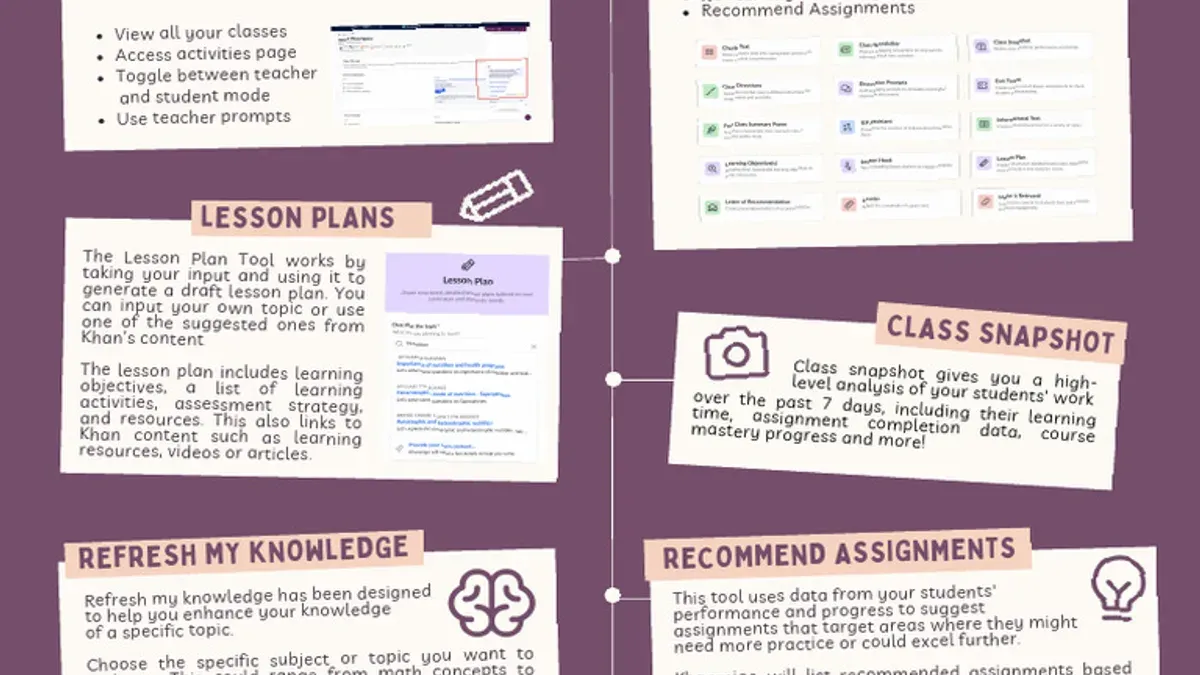
Short answer: The Khanmigo rollout plan for non-technical staff focuses on clear, jargon-free communication and hands-on training tailored to users unfamiliar with AI. It prioritizes simplicity and step-by-step guidance to avoid overwhelming the team while ensuring confident adoption.
This article breaks down the key challenges non-technical staff face when introduced to Khanmigo and offers practical solutions you can apply immediately. You will learn how to explain Khanmigo in relatable terms, design training sessions that build competence without confusion, avoid common rollout pitfalls, and track adoption success. The goal is to help you implement Khanmigo smoothly, so your team uses it effectively with minimal frustration.
What Is Khanmigo and Why Should Non-Technical Staff Care?
Khanmigo is an AI-powered assistant designed to help you complete everyday tasks more efficiently without needing technical expertise. It acts like a knowledgeable partner that can answer questions, guide you through processes, and simplify complex information. You don’t have to learn programming or AI jargon to benefit from it.
For non-technical roles, Khanmigo can speed up routine work like drafting emails, summarizing long documents, or preparing reports. It can also support learning by explaining concepts in plain language and providing instant feedback, which makes training faster and less frustrating. Imagine a customer service agent using Khanmigo to quickly find policy details during a call, reducing wait times and improving accuracy.
Many non-technical staff hesitate because they think Khanmigo is too complicated or will replace their jobs. In reality, it’s a tool to make work easier, not a substitute for your expertise. User feedback consistently shows increased confidence and productivity after adopting Khanmigo, especially when training focuses on practical, jargon-free use.
How Does Khanmigo Work for Non-Technical Users?
Khanmigo presents a straightforward chat interface where you type questions or commands in plain language. It responds instantly with clear, actionable answers, eliminating the need for technical jargon or complex commands. For example, a staff member can ask, “How do I update the attendance sheet?” and Khanmigo will guide them step-by-step within the chat.
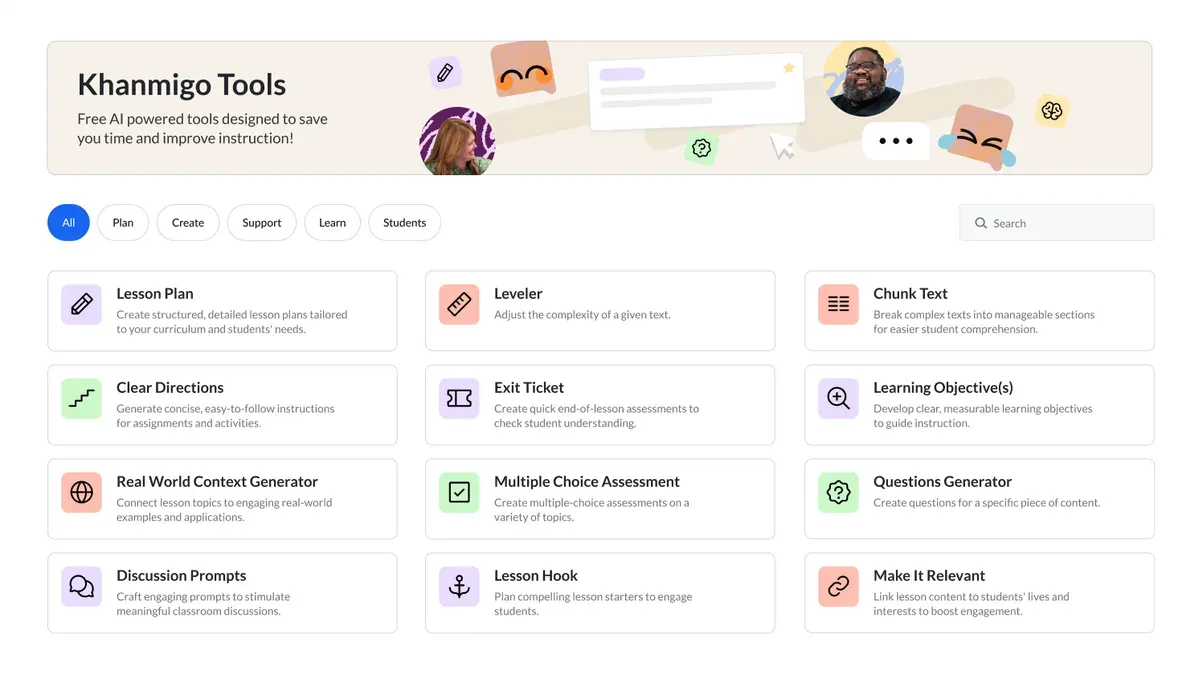
Khanmigo integrates seamlessly with common office tools like spreadsheets, email, and document editors through simple menu options labeled with familiar terms such as “Review,” “Summarize,” or “Schedule.” You won’t need to install plugins or configure settings; Khanmigo operates within the existing workflow, accessible via the company’s internal portal or approved apps.
It’s designed for practical assistance, but it doesn’t replace specialized software or handle tasks requiring technical expertise, such as coding or system administration. If a user asks beyond its scope, Khanmigo clearly states its limits and suggests alternative resources or contacts.
Here’s a typical user flow: open Khanmigo from your dashboard, type a request like “Draft a polite email to reschedule my meeting,” review the generated text, and copy it directly into your email client. Screenshots show the chat window, response panel, and copy button highlighted for quick recognition.
- Access Khanmigo via company portal or approved app
- Enter requests in simple language in the chat box
- Use labeled menu options for task-specific actions
- Review and edit Khanmigo’s output before use
- Consult support if the task is beyond Khanmigo’s scope
What Are the Best Practices for Rolling Out Khanmigo to Non-Technical Staff?
Start your rollout with a phased approach to build user confidence without overwhelming. Begin with a pilot group of 5-10 staff members, providing hands-on training sessions focused on real tasks they perform daily. Use simple, jargon-free guides and short video demos that explain core features step-by-step. After two weeks, gather feedback through quick surveys or informal check-ins to identify pain points and adjust training materials accordingly.
Expand to the next phase by including more staff, using peer support networks where trained users help colleagues troubleshoot common issues. Set up a dedicated communication channel, like a Slack or Teams group named "Khanmigo Support," for questions and tips. This encourages ongoing learning and reduces the load on your IT or training team.
By the third phase, offer refresher sessions and share success stories to reinforce adoption. Regularly update learning resources based on user input to keep materials relevant. For example, a mid-sized office rolled out Khanmigo over six weeks: weeks 1-2 pilot and feedback, weeks 3-4 peer support and broader training, weeks 5-6 refreshers and resource updates, resulting in steady adoption and minimal resistance.
- Start with a small pilot group and hands-on training
- Use simple, clear learning materials
- Collect feedback early and often
- Establish peer support and dedicated communication channels
- Schedule refresher sessions and update resources regularly
What Common Mistakes Should You Avoid When Introducing Khanmigo to Non-Technical Staff?
Overloading non-technical staff with technical jargon or too much information at once creates confusion and resistance. For example, presenting detailed AI model explanations during the first training session can intimidate users unfamiliar with the technology. This often leads to disengagement and low adoption rates. Instead, focus on simple, practical language and introduce features gradually.
Neglecting ongoing support after the initial training is another frequent error. Without continuous check-ins or refresher sessions, users forget key steps or lose confidence. For instance, a team that received only a one-time demo struggled to integrate Khanmigo into daily tasks, reducing overall effectiveness. Establishing regular Q&A sessions or a help desk prevents this decline.
Ignoring user feedback or concerns stalls improvement and fuels frustration. Staff who feel their challenges are dismissed are less likely to embrace the tool fully. A rollout that solicited and acted on feedback saw smoother adoption and faster troubleshooting compared to one that treated feedback as optional. Listening and adapting your approach is critical.
- Avoid technical jargon; keep language clear and simple
- Introduce features step-by-step, not all at once
- Provide ongoing support beyond initial training
- Actively collect and respond to user feedback
How Do You Measure Success and Adapt the Rollout for Non-Technical Staff?
Start by defining key performance indicators (KPIs) that reflect real engagement with Khanmigo. Track metrics such as the percentage of non-technical staff logging in weekly, average session duration, and the number of completed training modules. Use your platform’s admin dashboard or a simple spreadsheet to monitor these metrics over time.

Collect user feedback through short surveys focused on ease of use, confidence in applying Khanmigo, and any obstacles encountered. For example, a survey might ask users to rate on a scale from 1 to 5 how comfortable they feel using Khanmigo for their tasks and to list any confusing features. Analyze this data to identify patterns or recurring issues.
Use the insights from metrics and feedback to adjust your training and communication. If session times are short and feedback shows confusion about specific functions, add targeted video tutorials or quick-reference guides. If adoption plateaus, consider peer-led refresher sessions to boost confidence.
For instance, in one rollout, initial data showed 40% weekly login but low use of the query feature. After adding a 5-minute demo video explaining queries, use of that feature increased noticeably within two weeks.
- Set clear KPIs: login rates, session length, training completion
- Deploy brief, focused surveys after initial training and periodically
- Review data weekly to spot trends or issues
- Adjust training materials and communication based on findings
- Encourage peer support and refresher sessions as needed
Frequently asked questions
How much training do non-technical staff typically need to use Khanmigo effectively?
Non-technical staff usually require brief, focused training sessions lasting 1 to 2 hours to start using Khanmigo effectively. Emphasize hands-on practice with guided examples rather than lengthy theory. Follow-up refresher sessions after a week help reinforce skills and clarify questions.
What are the easiest Khanmigo features for non-technical users to adopt first?
The simplest features to start with are Khanmigo’s guided prompts and conversational interface for information retrieval and basic task assistance. These do not require complex setup and are intuitive for users familiar with chat-based tools. Avoid advanced customization or coding features initially.
How can I address resistance from staff who fear AI will replace their jobs?
Address fears by clearly communicating that Khanmigo is a tool designed to assist, not replace, their roles. Highlight how it saves time on repetitive tasks and improves accuracy, allowing staff to focus on higher-value work. Involve resistant employees early in pilot testing to build trust and gather their input.
What ongoing support is essential after the initial Khanmigo rollout?
Provide a dedicated help channel, such as a Slack or Teams group, with quick access to FAQs and troubleshooting tips. Schedule regular check-ins to gather feedback and share best practices. Keep training materials updated as new features roll out and encourage peer-to-peer knowledge sharing.
What this guide does not cover
This guide does not cover technical setup or IT infrastructure considerations. It assumes Khanmigo is already accessible to users via the designated platform or application. If you are responsible for IT deployment, network security, or software installation, consult your technical team or Khanmigo's IT documentation first. This content focuses solely on practical strategies for non-technical staff adoption.
Quick checklist
- Confirm Khanmigo access for all non-technical staff before training.
- Use simple, jargon-free language when introducing Khanmigo features.
- Schedule short, focused training sessions tailored to job roles.
- Provide hands-on practice with guided scenarios relevant to daily tasks.
- Establish a clear feedback channel to address users’ questions and concerns.
- Monitor usage and engagement metrics regularly to identify support needs.
- Adjust training content and communication based on user feedback and adoption rates.
Start by organizing a pilot training session with a small group of non-technical staff. Use this to gather direct feedback and observe actual usage challenges. This hands-on insight will help you tailor the rollout effectively before scaling to the entire team, ensuring smoother adoption and less resistance.
See also: Khanmigo Implementation Timeline: How to Start and Succeed · How to Switch from ChatGPT to Khanmigo: A Practical Guide · Google Gemini Rollout Plan: A Practical Guide for Office Managers