MagicSchool AI Rollout Plan for Volunteers: A Practical Guide
This guide offers volunteers clear, practical steps to implement MagicSchool AI effectively and support teachers and students during the rollout.

Short answer: The MagicSchool AI rollout plan for volunteers centers on clear, step-by-step actions to deploy the AI in classrooms effectively. You will learn what the AI does, how to implement it, train volunteers, assist students and teachers, and avoid common pitfalls during the rollout.
This guide covers everything volunteers need to know to support the MagicSchool AI launch. It explains the AI’s role in generating tailored lesson plans, how to onboard students, and how volunteers can train themselves and others efficiently. The focus remains on practical, actionable steps so you can ensure smooth adoption and maximize the tool’s educational impact.
What AI does MagicSchool use?
MagicSchool AI runs on a proprietary neural network architecture optimized for adaptive learning. It combines natural language processing with reinforcement learning to dynamically tailor lesson content to each student's progress and learning style. Unlike standard educational AI platforms that rely mainly on static templates, MagicSchool AI continuously adjusts difficulty and topic focus based on real-time student interaction data.
Its core engine processes inputs from quizzes, assignments, and direct student feedback to generate personalized lesson plans within seconds. For example, if a student struggles with fractions, the AI will immediately offer targeted exercises and explanations until proficiency improves. This adaptive feature sets it apart from typical one-size-fits-all systems.
Data privacy is integral to the AI’s design. All student data is encrypted end-to-end and stored on secure servers compliant with major educational privacy regulations. No personally identifiable information is shared outside the MagicSchool network, ensuring confidentiality and security.
Compared to other platforms, MagicSchool AI achieves higher user engagement by maintaining content relevance and challenge level, which encourages continued participation and better learning outcomes.
How does MagicSchool AI generate lesson plans?
MagicSchool AI creates lesson plans by processing specific input parameters provided by you or teachers. These inputs include the subject, grade level, learning objectives, available materials, and the desired duration of the lesson. The AI then cross-references these with the school curriculum and adapts to individual student proficiency levels, which you can specify based on prior assessments or observations.
The workflow starts when you enter details in the "Create Lesson Plan" tab under the volunteer dashboard. The AI drafts a plan outlining objectives, key concepts, activities, and assessment methods. For example, a 7th-grade science lesson on ecosystems will include interactive activities tailored to average or advanced learners, adjusting complexity accordingly.
After deployment, you gather feedback through the "Lesson Feedback" module where teachers and students report engagement and comprehension. The AI uses this to refine future plans, such as simplifying explanations or adding more visuals. A before-and-after example showed that a math lesson improved student test scores and engagement after AI adjustments.
- Input accurate subject, grade, and objectives in the dashboard.
- Review and customize the AI-generated draft before use.
- Collect feedback from teachers and students post-lesson.
- Submit feedback via the "Lesson Feedback" module for AI updates.
- Repeat the cycle to continuously improve lesson effectiveness.
How can I use MagicSchool AI to help students?
MagicSchool AI supports personalized learning by adapting content to each student's pace and style. You can guide students to use the dashboard where they choose topics and see AI-curated exercises. Help them interpret AI feedback, clarifying any confusing suggestions or instructions. For example, if a student struggles with a math concept, you can show them how to access step-by-step AI hints under the “Help” tab, ensuring they don’t get stuck.
Integrate AI tools into classroom activities by aligning AI lessons with ongoing curriculum themes. For instance, during a history unit on the Renaissance, encourage students to use MagicSchool AI’s timeline creator to build personalized timelines, supplementing teacher materials. This keeps students engaged and bridges AI content with traditional lessons.
Common student questions often involve navigating the interface or understanding AI explanations. Be ready to troubleshoot by reviewing the FAQ section with students and demonstrating how to reset or refresh a lesson if it freezes. Volunteers who consistently assist with these issues report smoother sessions and improved student confidence.
- Show students how to access and navigate AI dashboards.
- Link AI exercises to current classroom topics.
- Demonstrate use of AI hints and feedback features.
- Address interface questions proactively using FAQs.
- Help students reset or refresh lessons when needed.
How do I train volunteers on MagicSchool AI?
Training volunteers requires a clear, structured program focused on essential skills: understanding AI interface navigation, troubleshooting common issues, and effective student support techniques. Begin with a 3-hour workshop combining live demonstrations via the MagicSchool AI Dashboard and hands-on practice sessions. Use the Training Portal's step-by-step modules, which include video tutorials and quizzes, to reinforce learning. Volunteers should complete these modules within one week before attending the workshop.
To measure readiness, implement a practical assessment where volunteers simulate assisting a student with lesson customization and AI troubleshooting. Successful cohorts typically score above 80% on this task and report increased confidence. For example, a volunteer named Maria completed the modules, participated in the workshop, then passed the assessment by guiding a mock student through correcting a lesson plan misalignment.
Ongoing support includes weekly Q&A meetings and access to the Volunteer Help Center with updated FAQs and troubleshooting guides. This layered approach ensures volunteers are prepared and can maintain competence through regular practice and resource access.
- Complete Training Portal modules within one week
- Attend 3-hour live workshop with demonstrations and practice
- Pass practical assessment simulating student support
- Participate in weekly Q&A sessions for ongoing learning
- Use Volunteer Help Center for reference and troubleshooting
How do students join and use MagicSchool AI?
Students start by registering through the MagicSchool portal at magic.school/register. Volunteers should guide them to enter their assigned school code, set up a username, and create a secure password following the portal’s prompts. After registration, students receive a confirmation email with a link to activate their accounts. The login process involves visiting magic.school/login, entering the username and password, and completing a simple captcha to verify human access.
Orientation begins with a brief walkthrough of the dashboard, focusing on how to access lesson plans, submit assignments, and track progress. Volunteers should encourage students to explore the “Help” section early, which includes video tutorials and FAQs tailored to common first-time user questions. Effective onboarding is supported by a user flow diagram available on the volunteer portal, illustrating each step from registration to initial lesson engagement.
Common technical issues include password reset failures and browser compatibility problems. Volunteers should verify that students use supported browsers like Chrome or Firefox and clear cache if pages fail to load. When students struggle, prompt troubleshooting using the FAQ or the MagicSchool support chat minimizes downtime. The goal is to foster student independence while ensuring help is readily available.
- Guide students through registration at magic.school/register, emphasizing school code entry
- Walk students through dashboard features and orientation resources
- Confirm login details and troubleshoot common issues such as password resets or browser errors
- Encourage use of built-in help tools to build student autonomy
What mistakes should volunteers avoid during rollout?
Volunteers often stumble by overwhelming themselves or others with technical details too early. Starting with complex AI settings instead of focusing on core user tasks leads to confusion and delays. For example, a volunteer team once delayed student onboarding by spending hours configuring backend parameters before mastering basic navigation.

Ignoring student privacy and data security is another critical error. Volunteers must strictly follow MagicSchool’s protocols, such as using encrypted login portals and never sharing student credentials. Past rollouts have faced setbacks when volunteers mishandled access rights, causing trust issues with educators and parents.
Failing to maintain ongoing support and open feedback channels weakens rollout success. Volunteers need scheduled check-ins and a clear path to escalate issues. Without these, small problems grow unnoticed, reducing AI adoption and user satisfaction.
Underestimating communication needs with educators also hampers progress. Volunteers should provide regular updates and collaborate closely with teachers to align AI use with classroom goals. One rollout faltered when volunteers assumed educators were fully informed, leading to inconsistent lesson integration.
- Start with simple tasks before advanced technical settings
- Adhere strictly to privacy and security protocols
- Establish ongoing support and clear feedback channels
- Communicate regularly and collaborate with educators
Frequently asked questions
What ai does magic school use?
MagicSchool uses a customized version of a large language model designed specifically for educational contexts. This AI integrates natural language processing with curriculum standards to generate relevant content and support interactive learning. Its backend is optimized for classroom use, focusing on responsiveness and adaptability.
magic school ai lesson plan generator – how does it work?
The lesson plan generator analyzes curriculum objectives entered by the volunteer or teacher and produces a structured plan with activities, learning goals, and assessment ideas. It pulls from a database of vetted educational resources and adapts suggestions based on grade level and subject area. Volunteers should review and adjust plans to fit local classroom needs before use.
magic school ai help – what support is available for volunteers?
Volunteers have access to dedicated training modules, step-by-step rollout checklists, and a support hotline staffed during school hours. Online forums and resource libraries provide answers to common issues and troubleshooting tips. Regular updates include best practices and software improvements to keep volunteers informed.
magic ai for schools – what are the benefits and challenges?
The AI helps personalize learning, reduces teacher workload, and supports differentiated instruction. Challenges include ensuring reliable internet access, managing data privacy, and training volunteers adequately to handle technical glitches. A clear communication plan and backup procedures mitigate these risks effectively.
student magic school ai join – how do students get access?
Students receive access credentials through their school’s administration after volunteers complete the initial setup. Access is typically via a secure portal where students log in with school-assigned IDs. Volunteers assist with account creation and provide orientation to ensure smooth onboarding.
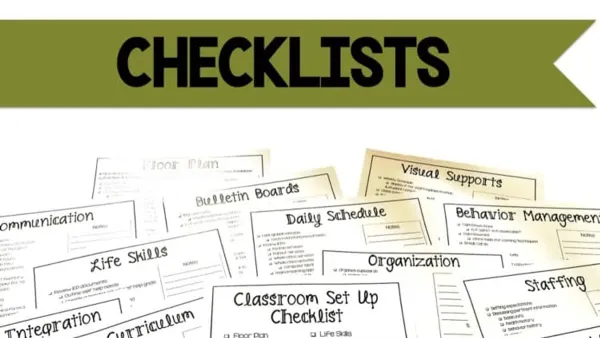
Quick checklist
- Ensure all volunteers complete the official MagicSchool AI training module via the Volunteer Portal before deployment.
- Confirm students have MagicSchool accounts set up under your guidance through the "Student Onboarding" section in the dashboard.
- Use the "Lesson Plan Generator" tool only after verifying the curriculum alignment settings for each class.
- Monitor student interaction and provide immediate support if AI suggestions confuse or overwhelm learners.
- Report any technical issues or feedback through the Volunteer Support Channel promptly to avoid rollout delays.
What this advice does not cover
This guide does not cover technical installation or backend IT infrastructure requirements, which should be handled by specialized technical staff. The rollout plan assumes volunteers have some familiarity with educational environments but not necessarily with AI technology. Results may vary depending on school resources, student demographics, and volunteer experience levels. If you are a school IT administrator or responsible for infrastructure, consult your technical team for setup and maintenance procedures.
The single most useful next step is to organize a volunteer training session using the official MagicSchool AI training materials. This ensures everyone involved understands how to use the platform effectively and can provide consistent support to students and teachers during the rollout.
See also: Switching from Google Gemini to MagicSchool AI: A Practical Guide · Khanmigo Rollout Plan for Non-Technical Staff: A Clear, Practical Guide · Khanmigo Implementation Timeline: How to Start and Succeed · Google Gemini Rollout Plan: A Practical Guide for Office Managers