Moving from Gimkit to Nearpod Checklist: A Practical Educator’s Guide
This practical guide provides a moving from Gimkit to Nearpod checklist to help educators transition smoothly and enhance classroom engagement.

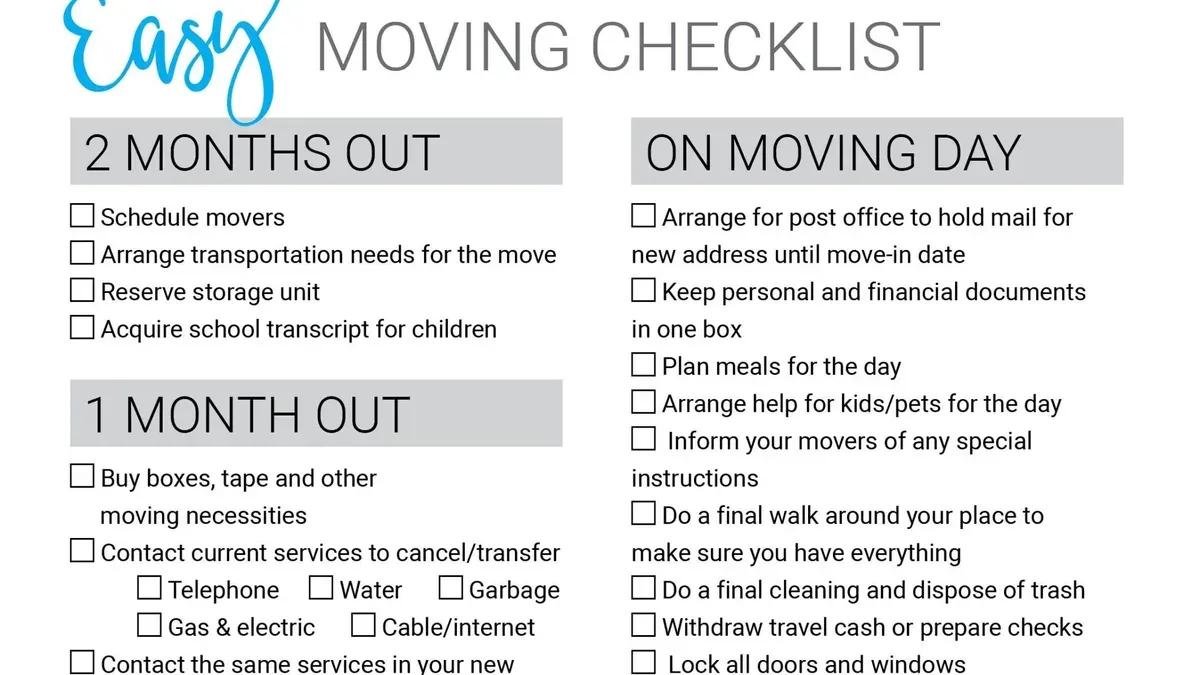
Short answer: Moving from Gimkit to Nearpod requires understanding key platform differences and preparing your existing content for Nearpod’s interactive environment. Use a moving from Gimkit to Nearpod checklist to ensure a smooth transition that minimizes classroom disruption and boosts student engagement.
This guide covers how Gimkit and Nearpod differ in classroom use, steps to access and export Gimkit materials, setting up Nearpod correctly, migrating your content effectively, common pitfalls to avoid, and ways to leverage Nearpod’s interactive tools beyond what Gimkit offers. Each section focuses on practical actions so you can switch platforms with confidence and enhance your teaching experience.
What are the key differences between Gimkit and Nearpod?
Gimkit centers on game-based quizzes where students earn in-game currency by answering questions, turning assessment into a competitive activity. Nearpod offers multi-modal interactive lessons combining quizzes, polls, videos, VR experiences, and collaborative boards, making it a versatile platform for diverse teaching methods. While Gimkit engages students through fast-paced quiz rounds with immediate feedback and leaderboard dynamics, Nearpod fosters sustained engagement via varied content types and real-time formative assessments.
Assessment in Gimkit is primarily quiz-focused with automatic grading and instant score updates, emphasizing quick recall and repetition. Nearpod integrates assessments within lessons, providing detailed reports on student responses and allowing for on-the-fly adjustments. Classroom management in Gimkit is streamlined but limited mostly to controlling quiz flow. Nearpod includes deeper integration options with LMS platforms like Google Classroom and offers tools such as live lesson pacing, student attention tracking, and interactive participation monitoring.
| Feature | Gimkit | Nearpod |
|---|---|---|
| Core Interaction | Game-based quizzes with in-game currency | Multi-modal lessons: quizzes, polls, VR, videos |
| Student Engagement | Competitive, fast-paced quiz play | Varied interaction types supporting collaboration |
| Assessment | Automatic grading, immediate feedback | Embedded assessments, detailed analytics |
| Integration | Basic LMS support, limited management tools | Robust LMS integration, live lesson control |
For example, in a history lesson, Gimkit might quiz students on dates and facts through rapid-fire questions, rewarding correct answers with virtual cash. Nearpod would let you present a short video on the historical event, pause for polls checking understanding, then have students collaborate on a shared digital board before finishing with a quiz. This illustrates how Nearpod supports deeper interaction and varied learning styles, while Gimkit focuses on quiz engagement.
How to get into Gimkit before making the switch?
Start by creating an educator account at gimkit.com. After signing up, access your dashboard and click "Create New Kit" to set up your first quiz. Name your quiz clearly, select "New Kit," and add questions by typing them in or importing from a spreadsheet. Gimkit supports multiple-choice and short-answer formats, with options to shuffle questions or set time limits for each.
Customize your quiz by adjusting settings under "Kit Settings," such as enabling power-ups or choosing between team or individual play. This shapes the game dynamics and student interaction, critical to understand before switching platforms. Once your quiz is ready, launch it and invite students with a unique code.
After the session, review results by clicking "Reports" on your dashboard. You’ll see individual scores, question-level accuracy, and engagement metrics. This data helps identify content that resonated or needs improvement, setting a baseline for what to replicate or enhance in Nearpod.
- Sign up and create a new kit on the dashboard
- Add and customize questions with clear formats
- Adjust game settings like power-ups and teams
- Launch the quiz and share the student code
- Use the Reports tab to analyze student performance
What are the first steps to set up Nearpod for your classroom?
Start by creating a Nearpod account at nearpod.com using your professional email. Once logged in, the dashboard presents options like "Create Lesson," "My Library," and "Reports." Navigate to "Create Lesson" to begin building or importing content.
If you want to mirror a Gimkit quiz, select "Create Lesson" then choose "Add Slide" and pick "Quiz". Enter your questions and multiple-choice answers here. Unlike Gimkit, you can enrich this with polls or open-ended questions on other slides to deepen interaction.
For example, recreate a 10-question Gimkit quiz by adding a quiz slide for each question. Then insert a poll slide asking students to rate their confidence on the topic. This leverages Nearpod’s interactive tools to go beyond Gimkit’s quiz-only format.
Set student roles by enabling "Live Participation" mode in the lesson settings. This allows you to manage pacing and monitor real-time responses. Take advantage of "Join Codes" to let students enter the lesson easily.
- Create a Nearpod account and log in.
- Select "Create Lesson" to start a new lesson.
- Add quiz slides matching your Gimkit questions.
- Include polls or open-ended slides to expand engagement.
- Enable "Live Participation" to control the lesson and track students.
- Share the join code for student access.
How to migrate content effectively from Gimkit to Nearpod?
Gimkit does not offer a direct export feature for questions and answers, so you will need to manually transfer your content. Start by opening your Gimkit question sets and copying the questions and answers into a document for reference. This step prevents data loss and ensures you have a clear overview of your existing content.
Next, use Nearpod’s quiz and interactive slide tools to recreate your questions. Nearpod’s interface lets you build quizzes with multiple choice, true/false, and open-ended questions. While you can’t replicate Gimkit’s game mechanics exactly, you can simulate engagement by integrating polls, matching activities, and interactive videos within the lesson.
To reduce the time spent recreating content, leverage Nearpod’s ready-to-use templates and lesson resources available in the dashboard under 'Lessons' > 'Create.' For example, instead of rebuilding every question from scratch, insert your copied questions into a quiz template with preconfigured settings that optimize flow and timing.
Imagine you have a 30-question Gimkit quiz. Manually recreating it may take an hour, but using templates and batch question entry tools in Nearpod can cut that time by nearly half. Plan your content migration in stages, prioritizing high-impact lessons first to maintain student engagement during the transition.
- Copy Gimkit questions and answers into a separate document.
- Use Nearpod’s quiz and interactive slides to manually recreate content.
- Adapt game-like engagement with Nearpod’s polls and interactive activities.
- Apply Nearpod templates and lesson resources to speed up creation.
- Migrate content progressively, starting with your most-used lessons.
What mistakes should you avoid when switching from Gimkit to Nearpod?
Assuming all Gimkit game features transfer directly to Nearpod leads to frustration. Nearpod prioritizes diverse interactive content over Gimkit’s fast-paced, competitive quiz model. For example, one teacher tried to replicate Gimkit’s rapid-fire money-earning rounds exactly, but found students disengaged due to slower Nearpod transitions. Adjust your expectations to Nearpod’s strengths rather than forcing a Gimkit-style experience.
Neglecting to train students on Nearpod’s interface causes avoidable delays and confusion. Students unfamiliar with Nearpod’s join codes, navigation buttons, or interactive slide types often waste class time figuring out controls. Teachers found that a brief walkthrough session before the first lesson cut down on technical hiccups significantly.
Trying to copy Gimkit’s competitive pace and leaderboard focus can backfire. Nearpod’s interactive lessons shine when you emphasize collaboration and varied activities instead of just speed and scoring. One educator shifted from competition to group discussions using Nearpod’s Collaborate! boards, boosting engagement.
Skipping pilot tests before scaling up risks revealing issues mid-lesson. Running a single class as a test allowed teachers to identify technical glitches, timing problems, and student questions early, smoothing the full rollout.
- Don’t expect feature parity between platforms.
- Train students on Nearpod tools before class.
- Adapt pacing away from Gimkit’s competition focus.
- Run pilot lessons to catch issues early.
How can you enhance student engagement using Nearpod beyond Gimkit’s capabilities?
Nearpod offers immersive tools that deepen student interaction beyond simple quizzes. You can insert virtual reality (VR) field trips and 3D objects directly into lessons via the “Add Slide” feature, selecting from Nearpod’s VR library or uploading your own 3D models. This transforms abstract concepts into tangible experiences—for example, students can explore a virtual human heart, rotating it to understand anatomy in detail.
Collaborative boards and open-ended questions foster active participation and peer learning. Use the “Collaborate Board” slide to prompt students to post ideas or questions anonymously, generating discussion and diverse viewpoints. This feature encourages quieter students to contribute without pressure.
Formative assessments with instant feedback help you identify gaps in understanding in real time. Nearpod’s “Quiz” and “Poll” slides provide immediate results visible to both you and students, enabling on-the-spot clarification. This ongoing check-in surpasses Gimkit’s focus on competition by prioritizing mastery.
Finally, Nearpod supports asynchronous learning by scheduling lessons to be completed outside class. You can assign lessons with deadlines and track completion through the “Student-Paced” mode, allowing students to engage at their own pace while you monitor progress. This flexibility accommodates varied learning needs without sacrificing engagement.
Frequently asked questions
How do I sign up for Gimkit?
To sign up for Gimkit, visit gimkit.com and click the "Sign Up" button at the top right. Choose to register with an email address or through a Google account. Follow the prompts to create your username and password, then verify your email if required to activate your account.
Can I import Gimkit quizzes directly into Nearpod?
Nearpod does not support direct import of Gimkit quizzes. You will need to manually recreate quiz questions in Nearpod using its "Quiz" or "Poll" features. This also offers an opportunity to adjust content to better fit Nearpod’s interactive elements.
What are the costs associated with Nearpod compared to Gimkit?
Nearpod offers a free basic plan with limited features and student capacity, while its paid plans provide expanded storage, advanced reporting, and more interactive tools. Gimkit also has free and paid tiers, with paid plans focusing on additional game modes and student limits. Evaluate both platforms based on the specific features and scale your classroom requires.
Is Nearpod suitable for all subject areas?
Nearpod supports a wide range of subject areas through customizable lesson formats like slides, quizzes, virtual field trips, and interactive videos. It is particularly useful for subjects that benefit from multimedia and real-time student interaction, though you may need to adapt materials for specialized topics.
What this guide does not cover
This guide does not cover in-depth technical integrations like LMS syncing or district-wide deployment strategies. If you need to connect Nearpod with platforms such as Google Classroom, Canvas, or Schoology at an enterprise level, consult the platform-specific documentation and your IT team. This advice focuses on classroom-level migration and maximizing interactive tools within Nearpod itself.
Quick checklist
- Review all your Gimkit quizzes and note which align with your current curriculum goals.
- Create a Nearpod account and explore the "Lessons" and "Activities" tabs to understand available content formats.
- Start rebuilding key Gimkit quizzes in Nearpod using the "Quiz" activity option, adding interactive slides like polls or VR where relevant.
- Test new Nearpod lessons with a small group of students before full rollout.
- Avoid importing content wholesale without adapting it to Nearpod’s interactive features.
- Use Nearpod’s "Reports" tab to track engagement and adjust your lessons accordingly.
Begin your transition by focusing on rebuilding your top 3 Gimkit quizzes within Nearpod, adding at least one interactive element unique to Nearpod per lesson. This step immediately improves engagement and gives you hands-on experience with the platform’s capabilities.
See also: Moving from Gimkit to Kahoot: A Practical Transition Checklist · Moving from Gimkit to Edpuzzle Checklist: What You Need to Know · Moving from Gimkit to Microsoft Forms: A Stepwise Transition Guide · Gimkit Implementation Timeline: How to Start and Use It Effectively