Basecamp Rollout Plan for Corporate Trainers: A Clear Action Path
Discover a clear Basecamp rollout plan for corporate trainers to align training, manage change, and track progress effectively.

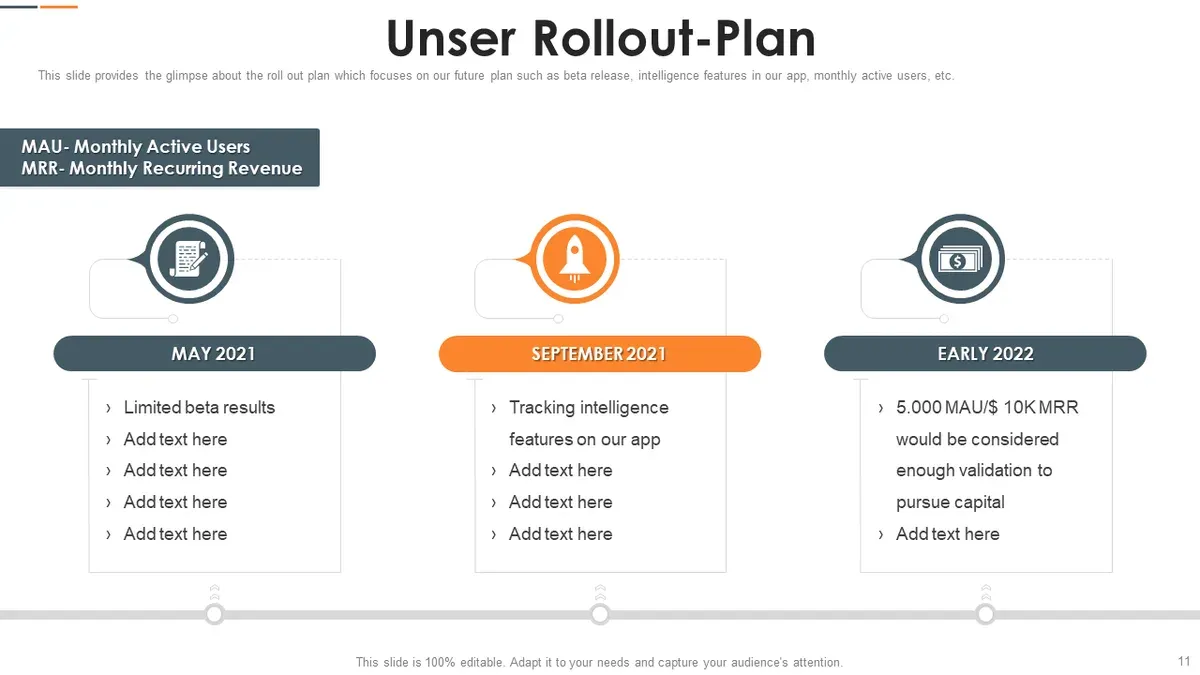
The challenge lies in aligning training activities with roles, managing change effectively, and utilizing Basecamp’s specialized tools to keep everything on track.
Plans vary by project limits, storage, and user count—from Freelancer at $29/month supporting 3 projects and 5 users, to Pro Unlimited with unlimited projects and users for $199/month billed annually. Each plan includes essential features such as Docs & Files, To-dos, Message Boards, Calendar, Card Tables, Chat, and Automatic Check-ins geared toward training management.
Basecamp’s tools help you maintain clarity, track progress, and ensure accountability throughout the typical six to twelve-week phased rollout.
Overview of the Basecamp rollout plan
- Pick a Basecamp package matching your project volume and user needs, mindful of storage and limits.
- Sequence training by role and leadership sessions to avoid disruption and maximize adoption.
- Leverage Basecamp’s Docs & Files, To-dos, Message Boards, and Automatic Check-ins for structured rollout management.
- Plan the rollout in phases over 6 to 12 weeks, aligning each step to build momentum and secure buy-in.
Settings, menu paths and limits here were checked against Basecamp, Basecamp Digital in November 2026.
Choose the right Basecamp package based on your rollout scale
Start by assessing your organization’s size and the scope of your training rollout to select the Basecamp plan that fits. Plans differ in project limits, user caps, storage space, and administrative features, each crucial for smooth rollout management.
| Plan | Monthly Price | Project Limit | User Cap | Storage | Admin Features |
|---|---|---|---|---|---|
| Freelancer | $29 | 3 projects | 5 users | 10 GB | Basic |
| Pro | $79 | 8 projects | 10 users | 25 GB | Basic |
| Pro Plus | $99 | 12 projects | 15 users | 100 GB | Basic |
| Pro Unlimited | $199 (annual) | Unlimited projects | Unlimited users | 1000 GB | Enhanced admin controls, priority support, personal onboarding |
This plan also offers priority 24/7/365 support and personal onboarding to keep you ahead of potential issues.
Keep in mind that you can upgrade anytime as your rollout scales, but downgrades only work if your active usage fits the lower plan’s limits.
Picture a training department managing ten simultaneous projects with 12 trainers. The Pro Plus plan can handle this with its 12-project and 15-user cap. But if you expect growth or more users, shifting to Pro Unlimited early avoids interruptions and adds administrative oversight essential for enterprise coordination.
Carefully match your rollout size and complexity to these limits to avoid sudden roadblocks mid-rollout. Basecamp’s pricing page details these plans and features for precise planning.
Sequence training by role and function to maximize impact
This means creating separate paths for AI Training and Digital Marketing Training, each tailored to relevant teams and functions.
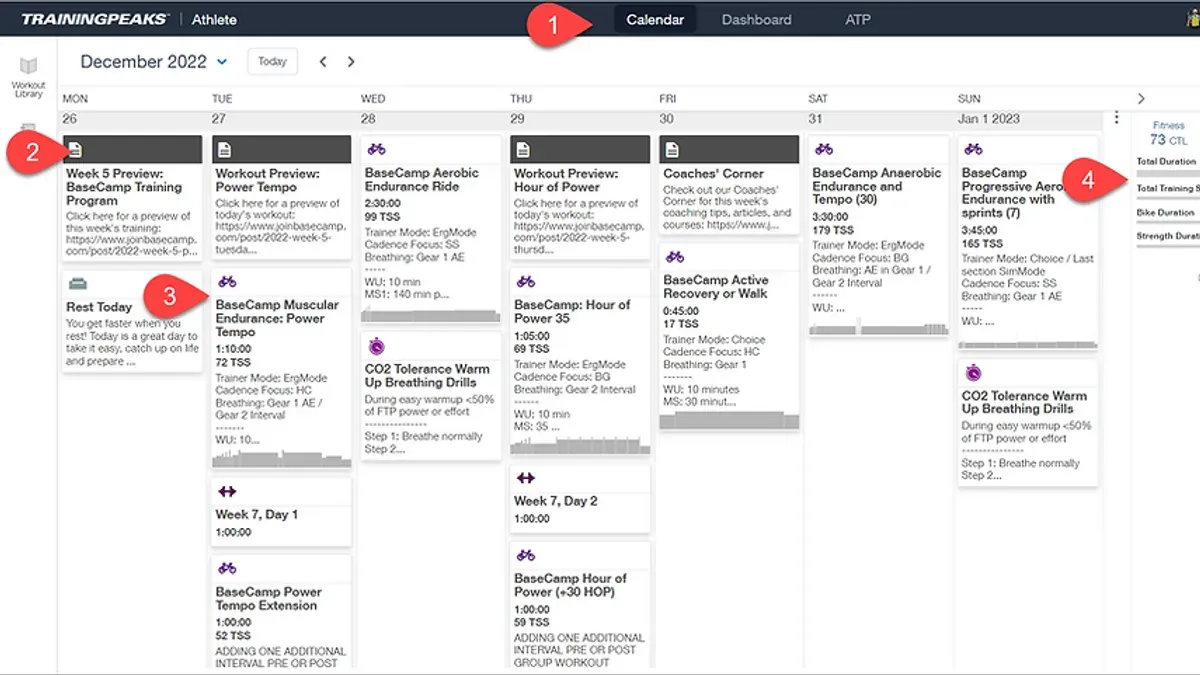
Generic training content wastes time and reduces engagement because it overlooks the specific vocabulary and use cases each role faces. For instance, your digital marketing team requires hands-on guidance with campaign tracking in Basecamp's Card Tables and Calendar, while AI teams focus more on compliance and ethical use protocols integrated into Message Boards and Docs & Files.
Start with leadership sessions to secure sponsorship and set expectations, then roll out role-specific tracks in a staggered fashion. This approach ensures champions emerge within each team to support ongoing adoption and troubleshooting.
For example, launch AI Training first with your compliance and product teams who handle sensitive data, followed by digital marketing sessions for campaign managers and content creators. This order respects the higher risk in AI roles and prevents information overload by focusing efforts where they matter most initially. Avoid delivering identical content simultaneously across all functions; it blurs priorities and diminishes learning outcomes.
Customize and sequence your training strategically to maximize impact and ensure each group gets the precise Basecamp tools and workflows they need to succeed. Learn more about role-based training tracks.
Use Basecamp tools to organize and track your training rollout
Start by storing all your training assets in Docs & Files. This centralizes slides, facilitator guides, and reference materials for easy access. Use To-dos to assign facilitators specific tasks and track session preparations, linking deadlines directly with the Calendar to manage session dates and milestones.
After each training session, post detailed recaps on the Message Boards. This keeps everyone informed and provides a reference point for questions or follow-ups. To monitor topic progress from initial draft to final delivery, organize your content in the Card Tables—this Kanban-style tool visualizes status and bottlenecks effectively.
Gather continuous feedback through Automatic Check-ins, which prompt participants and managers for updates or reflections at set intervals. For quick, informal clarifications or comparing facilitator notes, rely on Chat. This keeps spontaneous discussions out of email and connected to the project context.
By navigating Basecamp’s menu path—Project > Docs & Files, To-dos, Message Boards, Calendar, Card Tables, Chat, and Automatic Check-ins—you create a structured, transparent training rollout environment. For example, using Automatic Check-ins to collect session feedback ensures you catch issues early without disrupting workflows.
Plan the rollout over 6 to 12 weeks with structured phases
Begin with discovery and leadership sessions. These establish executive sponsorship and clarify objectives, setting the stage for all that follows.
Next, deploy role-specific hands-on training tracks. Tailoring content by function addresses unique workflows and prevents one-size-fits-all confusion. Following this, conduct champion deep dives—intensive sessions for selected employees who will support peers after formal training ends. These champions become vital to ongoing adoption and troubleshooting.
Simultaneously, draft and finalize AI policy and governance. This includes rules on data handling, approved tools, human review, and decision authority, providing clear guardrails amid new technology adoption. Skipping this step or doing it late risks confusion and inconsistent practices.
Finally, run review and reinforcement phases. Use Basecamp’s Automatic Check-ins and Message Boards to monitor progress and surface issues. Reinforcement solidifies skills and drives sustained use. For example, a 10-week rollout might allocate 2 weeks to leadership and discovery, 4 weeks to role tracks, 2 weeks for champion preparation and policy finalization, and 2 weeks for review and reinforcement. Changing this order often leads to leadership disengagement, unclear user roles, or incomplete policy adoption, undermining success.
Create clear policies and governance on AI use during rollout
Limit AI interactions to approved platforms only, ensuring they comply with your company’s security standards. Specify where AI-generated content can support training materials and where human oversight is mandatory to verify accuracy.
Establish human review checkpoints for all AI-derived decisions or recommendations. For example, if AI suggests task prioritization in Basecamp’s To-dos, require a trainer or manager to validate before implementation. Clarify who holds decision authority when AI outputs influence project steps—this prevents confusion and maintains accountability.
Use a simple policy checklist: 1) Approved AI tools and platforms, 2) Data privacy and handling protocols, 3) Required human review stages, 4) Clear assignment of decision authority. This framework helps you manage AI responsibly, avoiding errors or misuse during training rollout. Imagine a scenario where AI drafts a training schedule in Basecamp’s Calendar—without review, it might overlook key team availability. Your policy avoids this by mandating manual confirmation before publishing.
This governance ensures AI enhances rather than disrupts your rollout, maintaining control and compliance throughout. Learn more on Basecamp’s AI policy essentials.
Avoid pitfalls that reduce training effectiveness
For example, a project manager’s use of Docs & Files differs vastly from a frontline trainer’s Chat or Automatic Check-ins. When you treat everyone alike, you dilute relevance and engagement.
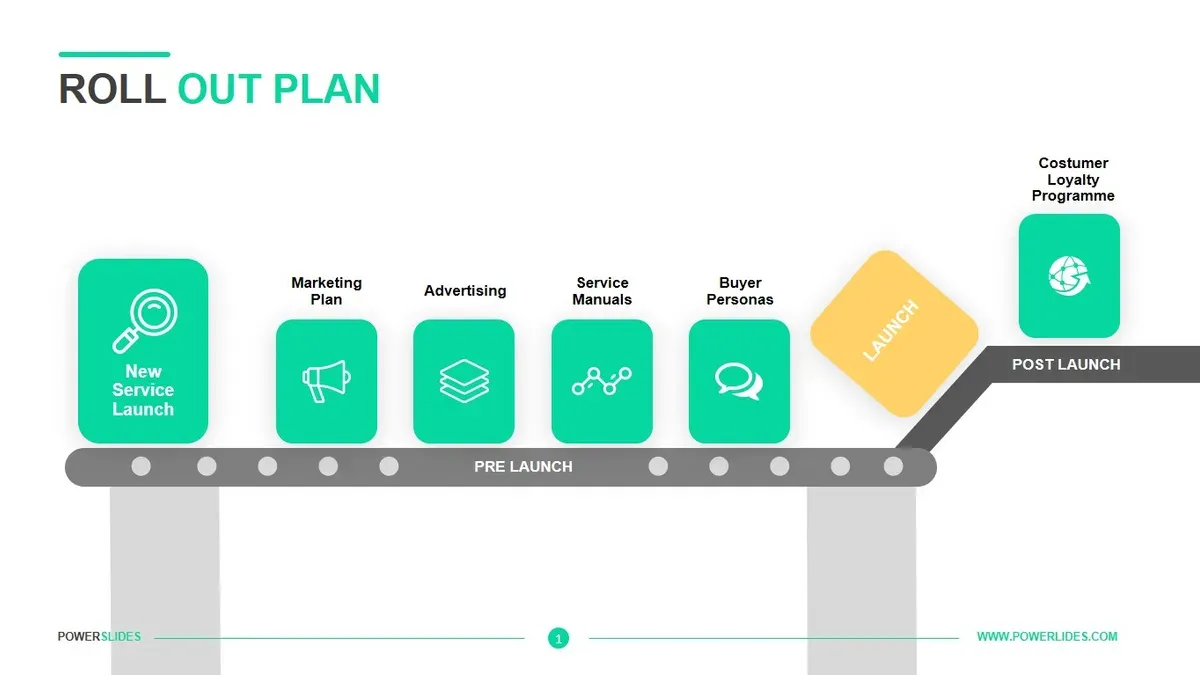
Training cannot be a single event. Skipping the sequence of leadership sponsorship, role-specific rollout, and ongoing reinforcement undermines change management. Without leadership buy-in first, motivation falters. Skipping champion assignment leaves learners unsupported once formal sessions end, stalling adoption and creating confusion.
Imagine launching Basecamp training without designated champions: users face questions on setting up To-dos or navigating Card Tables and have no go-to resource. This leads to frustration and poor tool utilization, reversing your efforts.
Basecamp’s successful rollout emphasizes leadership sessions, role-based tracks, and champions for ongoing support. Neglecting any of these creates gaps that cause training failure. Follow this approach to avoid wasted effort and ensure your rollout sticks effectively.a few words
Confirm your rollout success and next steps if issues arise
Use Basecamp’s Automatic Check-ins to collect consistent feedback from managers and trainees. Regularly review these check-ins alongside To-dos to verify that all training tasks and milestones are completed on schedule.
Monitor user engagement and adoption by examining project activity within Message Boards, Card Tables, and Chat. Low activity or incomplete tasks often signal gaps in sequencing, leadership involvement, or unclear policies that need addressing immediately.
Start your post-rollout check a day after training sessions conclude, focusing on completed To-dos and responses in Automatic Check-ins. Follow up a week later by analyzing ongoing engagement levels and discussion quality in Message Boards and Chat.
If you find persistent delays or disengagement, revisit your rollout sequence, ensuring leadership sessions preceded role-specific training and champions are actively supporting colleagues. Clarify any ambiguous policies documented in Docs & Files to remove barriers.
For example, if managers report confusion about new procedures in Automatic Check-ins, use Message Boards to clarify and update Docs & Files accordingly. Assign champions to reinforce messages via Chat and Card Tables, tracking topics that require extra attention.
Maintaining this feedback loop ensures you catch issues early and adjust swiftly, preserving momentum and maximizing your Basecamp rollout success. Basecamp’s Manager Training Program demonstrates this comprehensive approach effectively.
Sources checked
- Pricing — Basecamp
- Corporate Training | Basecamp Digital — Basecamp Digital
- Manager Training Program project management example — Basecamp